


Sunday, November 15, 2009

loose body wave perm pictures
These are some loose body wave perm pictures. These are ideal for women who want to opt for the curly haired look with more volume. This is a loose perm wave styles will also be adding more movement to your hair. Straight hair, when treated as a body wave perm, perm process will lead to large curls. Of course, wavy hair would look even curlier.

body wave perm pictures
Use hair products that are designed for body wave perm; they won't dry your hair out as much as standard products. Blow dry the hair on low and if possible, use a diffuser. It will accentuate the body wave perm better.

loose body wave perm
loose body wave perm pictures

Saturday, November 14, 2009

Peel It Off

Chemical peels are used to reduce scars, fine lines and pigmentation caused by acne, sun spots, or wrinkles due to aging. The chemical applied allows molecules to sink into the skin and will cause a tingling effect. The chemical can stay on the skin from 1 to 10 minutes and then it neutralizes or cools and is removed. As the chemicals seep into the skin, they boost collagen while lifting off the top layer, or the epidermis, of the skin. This causes a peeling effect. After a layer of skin peels off, it reveals the second layer or the dermis, which has fresher, tighter cells that are not as damaged.

Where, Oh Where?

Some mild chemical peel solutions may be applied to the face, neck and chest. More aggressive chemical peel solutions may only be applied to the face, avoiding the eyebrows, eyes, lips or any sensitive areas of the skin. The milder peel may be performed every 1 to 4 weeks, or as recommended by your physician or esthetician. A more aggressive peel may only be done once, after consulting a specialist or dermatologist. After any peel, the skin will likely feel tight, as if it is sunburned or wind burned. You may be given special moisturizer or a gentle cleanser to avoid irritation post-procedure.

Types of Peels

There are many types of chemical peels from superficial to deep. The most superficial can be done in the morning and a patient can then go to work, while a stronger peel may require a patient to take medication following the procedure and scabbing or excessive peeling may occur. Deciding which chemical peel is right for your skin requires a specialist, such as a dermatologist, or a certified professional, such as an esthetician.

Chemicals Used

There are different chemicals used depending on your skin type. A glycolic acid peel is an option, as is a salicylic, carbonic or lactic acid peel. These peels may be put on a patient's skin for 1 minute and up to 10 minutes. A deeper peel is a phenol peel which can take up to 2 hours and could take up to 2 weeks for the skin to heal. This is a serious procedure that can bleach treated areas or cause blistering. Always consult a dermatologist before undergoing this procedure.

Thursday, November 12, 2009

Long Curly Hairstyles

Long Curly Hairstyles ModernLong Curly Hairstyles Modern
Long Curly HairstylesLong Curly Hairstyles
Jessica Simpson Long Curly HairstylesJessica Simpson Long Curly Hairstyles
Simple Long Curly HairstylesSimple Long Curly Hairstyles

Tuesday, November 10, 2009

New Hairstyles

Hairstyles
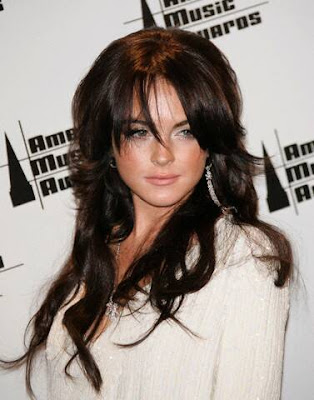
Lindsay Lohan With long dark hair.

Saturday, November 7, 2009

Blonde Hairstyles

Hairstyles

Hairstyles

Hairstyles

Hairstyles

Hairstyles

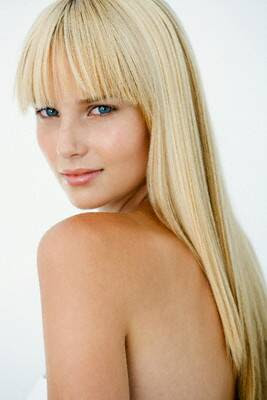
Young Woman with Blonde Hairstyles.


Friday, November 6, 2009

Instead of getting a swine flu or other flu vaccine, Dr. Northrup suggests following what our Northern neighbors are doing to truly prevent the swine flu—taking vitamin D. Last year, the Public Health Agency of Canada (PHAC) began a multi-year study to see whether adequate vitamin D levels helped to prevent the flu. Although originally designed to study the seasonal flu, PHAC has now modified the study to examine the correlation between vitamin levels and those who contract the H1N1 swine flu virus. Dr. Northrup commends Canada for their forward thinking.

Since 2006, Dr. Northrup has been teaching women (and men) everywhere about the protective, health-enhancing qualities of the sunshine vitamin. Optimal levels of vitamin D (40–80 ng/ml) enhance the creation and functioning of healthy cells throughout the body.1 In addition to protecting the bones and boosting the immune system, studies show that vitamin D helps prevent certain cancers, including breast, ovarian, prostate, and colorectal.23 45 Exciting new research shows that in the U.S. alone, thousands of new cases of breast cancer could be prevented every year if more women had optimal levels of vitamin D.6

Vitamin D also benefits the immune system, as studies by prominent vitamin D researchers have shown. This year, Adit Ginde, M.D. published a study conducted with about 19,000 adults and teens which found that those with low levels of vitamin D were 40 percent more likely to come down with a cold, the flu, or other respiratory infections.7 In the past, John J. Cannell and Michael Hollick, the granddaddies of vitamin D research, have published numerous studies showing similar correlations. (For more information, visit the Vitamin D Council web site.) It appears that vitamin D has antimicrobial properties that kick in when the body is exposed to these kinds of germs.8

As we all know, when some people get the flu, it’s mild and they recover quickly while others develop secondary infections, like pneumonia, or asthma and other serious conditions. PHAC plans to study if there’s a correlation between vitamin D levels and whether a person develops a severe case of the flu. Dr. Northrup says, “This makes sense. A study done on 208 post-menopausal African Americans showed that women who received 800 IUs per day of vitamin D were three times less likely to get a cold or flu, regardless of the season, when compared to women who took no vitamin D. And when the women studied were given 2,000 IUs per day, virtually none came down with either kind of virus.”9

PHAC also plans to examine whether genetics play a role.

Although it’s likely to take at least three flu seasons before enough information can be gathered and interpreted, Dr. Northrup is willing to guess that the results will shine a light on the sunshine vitamin’s effectiveness. “With all this talk about healthcare reform, I’m encouraged to see a country take a stand for prevention. I can picture a much healthier world, not because of a vaccine or a pill, but because people everywhere have adequate levels of vitamin D.”

Dr. Northrup continues, “If you do nothing else for yourself or your family this year, do this one thing: maintain an optimal level of vitamin D. In my opinion, this is 52 ng/mls or higher, but no higher than 100 ng/ml. (The current consensus among vitamin D researchers is 40–80 ng/ml or as high as 100 ng/ml.) A simple blood test will tell you where your stand. Then you’ll either get about 2,000 IUs per day to maintain a healthy level, or take a little more until your levels have been restored.

“This is true health care!” Dr. Northrup enthuses.

For more on boosting your immune system and protecting against the flu, read “Build Your Immunity!” in the Women’s Wisdom Circle. For more on vitamin D’s many benefits, read “How Natural Light Recharges Your Health” also in the Wisdom Circle.

References


  1. Staud, R., 2005. Vitamin D: more than just affecting calcium and bone. Curr Rheumatol Rep, Oct;7(5):356-64.
  2. Staud, R., 2005. Vitamin D: more than just affecting calcium and bone. Curr Rheumatol Rep, Oct;7(5):356-64.
  3. Cannell, J.J., Hollis, B.W. 2008. Use of vitamin D in clinical practice, Altern Med Rev, Mar;13(1):6-20.
  4. Cannell, J.J., et al. 2008. On the epidemiology of influenza, Virol J, Feb 25;5:29.
  5. Holick, M.F. 2004. Vitamin D: importance in the prevention of cancers, type 1 diabetes, heart disease, and osteoporosis, Am J Clin Nutr, 79:362-71.
  6. Garland, C.F., et al. 2009 Vitamin D for cancer prevention: global perspective, Ann Epidemiol. Jul;19(7):468-83.
  7. Ginde, A.A, Mansbach, J.M., Camargo, C.A. Jr. 2009. Arch Intern Med. Feb 23;169(4):384-90. Comment in Arch Intern Med. 2009 Aug 10;169(15):1443; author reply 1443-4.
  8. Doss, M., et al. 2009. Interactions of alpha-, beta-, and theta-defensins with influenza A virus and surfactant protein D, Journal of Immunology, Jun 15; 182(12): 7878-87
  9. Aloia, J., Li-Ng, M. 2007. Epidemic influenza and vitamin D, Epidemiol Infect 135(7):1095-1096.

Saturday, October 31, 2009

Blonde medium layered hairstyles pictures
Blonde medium layered hairstyles are easy to manage and take minimal time to style. The medium layered hairstyles, layered haircuts for medium hair is flattering and works well for anyone of any age depending on how it is layered. Let the bottom layered graze your shoulders and have shorter layers graduate up to your jawline. This is a softer medium layered hairstyles look and will emphasize any highlights or lowlights you may have.

Medium layered hairstyles for trendy
Medium layered hairstyles pictures
Medium layered hair styles
Medium layered hair styles pictures


blogger templates | Make Money Online